


Your First Car Purchase: New or Used? Here's Everything You Need to Know
Buying your first car is one of the biggest financial decisions you'll make. The choice between a brand-new vehicle and a second-hand one isn't just about budget — it involves depreciation, warranty, maintenance costs, insurance, and long-term value. This guide breaks it all down so you can make the smartest choice.
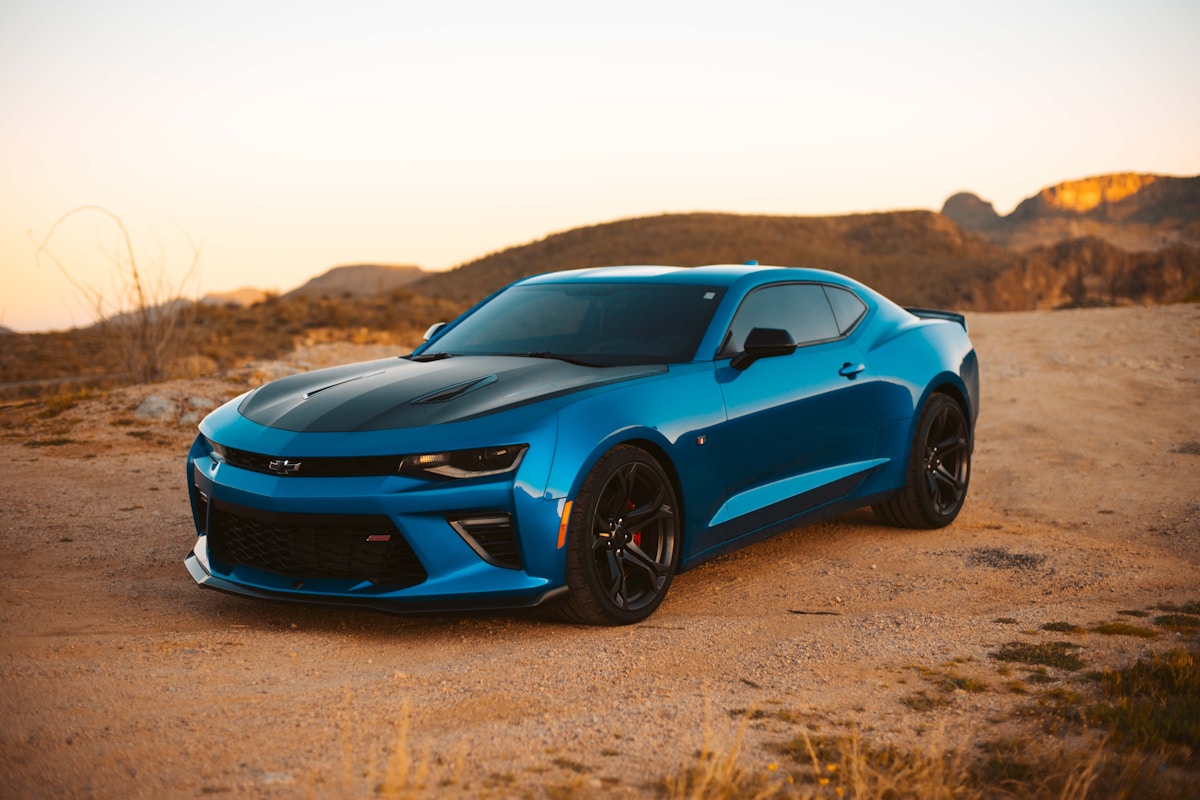
The True Cost of Owning a New Car vs. a Used Car
The sticker price is just the beginning. Whether you're buying new or used, your actual cost of ownership includes insurance, fuel, maintenance, registration fees, and depreciation. Let's break down the real numbers so you can budget accurately and avoid surprises.
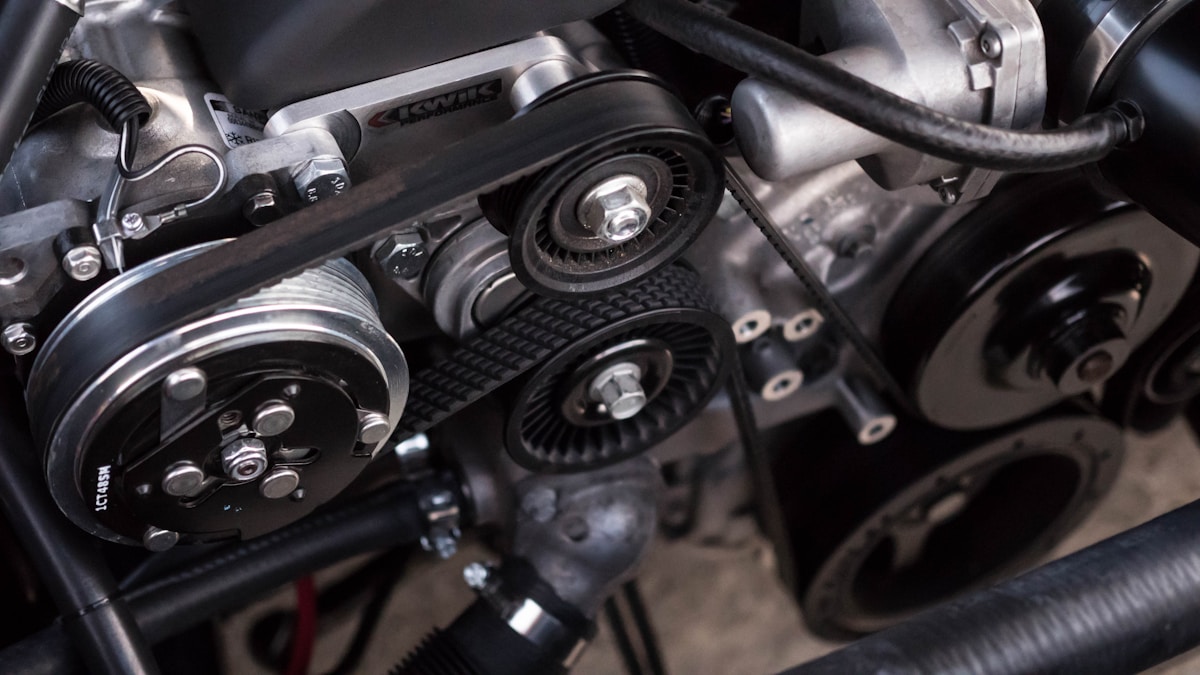
New Car vs. Used Car: The Complete Comparison
We break down every major factor — cost, reliability, warranty, financing, and resale value — to help you choose the right option for your lifestyle and budget.
A side-by-side analysis of the true advantages and hidden drawbacks of buying new versus pre-owned, tailored for first-time buyers in the Philippines.
New Car Advantages
A brand-new car comes with a manufacturer's warranty — typically 3 to 5 years bumper-to-bumper — that covers most major repairs at no cost. You'll know its full history because you're its first owner. Modern new cars also come with the latest safety features, fuel efficiency technology, and infotainment systems. Financing is easier to obtain and often comes with lower interest rates through dealership promos, especially from Illinois-based credit unions.
New Car Disadvantages
New cars depreciate rapidly. A new vehicle can lose 15–25% of its value the moment it leaves the dealership. Within the first three years, you may lose 30–40% of what you paid. For a car purchased at $30,000, that's $9,000–$12,000 in lost value in just three years. Additionally, Illinois sales tax on a new $30,000 vehicle adds roughly $1,875–$2,500 depending on your county, which is a substantial upfront cost.
Used Car Advantages
The biggest advantage of a used car is value. The previous owner has already absorbed the steepest depreciation. You can often purchase a 2–3 year old vehicle with low mileage for 40–60% of its original price. A well-maintained used car from a reputable Illinois dealer or private seller can be just as reliable as a new one, especially if it still has remaining factory warranty or a certified pre-owned (CPO) designation.
Used Car Disadvantages
You inherit the vehicle's history — both good and bad. Hidden mechanical issues, undisclosed accidents, or deferred maintenance can lead to unexpected repair bills. Illinois winters are hard on cars — rust, suspension wear, and brake corrosion are common issues in used vehicles that weren't properly maintained. Financing terms for used cars are typically less favorable, and insurance costs can vary widely.
Key Questions to Ask Yourself Before Buying
- What is my total monthly budget including loan payment, insurance, fuel, and maintenance?
- Do I commute long distances on Illinois highways like I-90 or I-55 where reliability matters most?
- Am I mechanically inclined or do I have a trusted mechanic who can inspect a used car?
- How many miles do I plan to drive annually — the national average is about 15,000 miles/year?
- Will this be my primary vehicle or a secondary car?
The Smart Buyer's Approach
For buyers with a tight budget, a well-chosen used car from a reputable dealer or private seller — one that has been inspected and verified — often provides the best value. For buyers who want peace of mind and plan to keep the car for 7–10 years, a new car can be the better long-term investment, especially with competitive APR offers from Illinois dealers and lenders.
Read Latest Articles
Simple, transparent process that gets you the best price for your car
Mar 06 2026
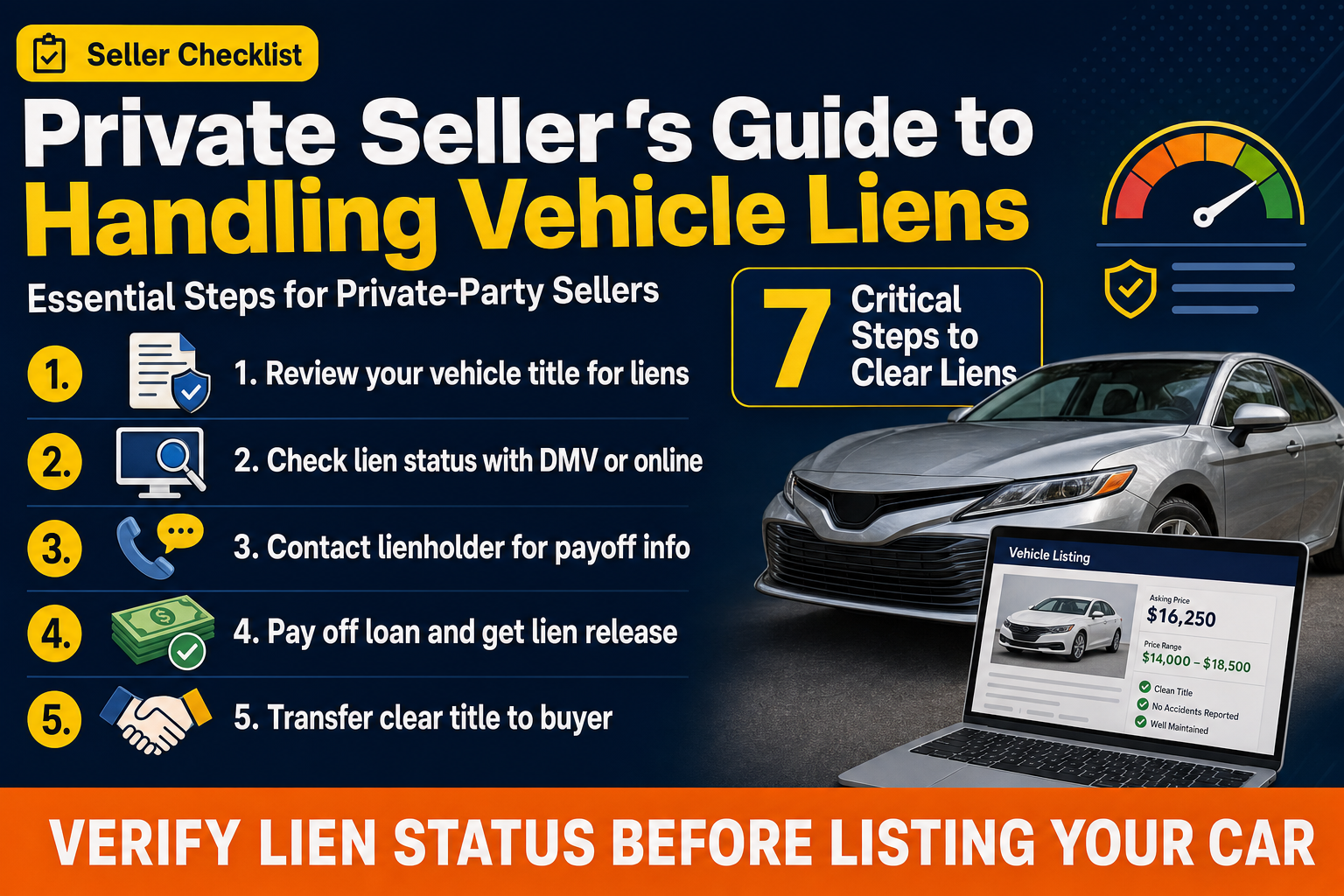
Private-Party Seller Checklist: How to Check for Liens Before Selling Your Car
Before selling your car privately, it’s essential to verify whether there are any liens on your vehicle. A lien means a lender or creditor has a legal claim on your car until a debt is paid off, which can complicate or invalidate your sale if not addressed. This checklist walks you through how to find out if your car has liens, what steps to take if liens exist, and how to clear them so you can sell your vehicle smoothly and legally.
T. K.
Read Article →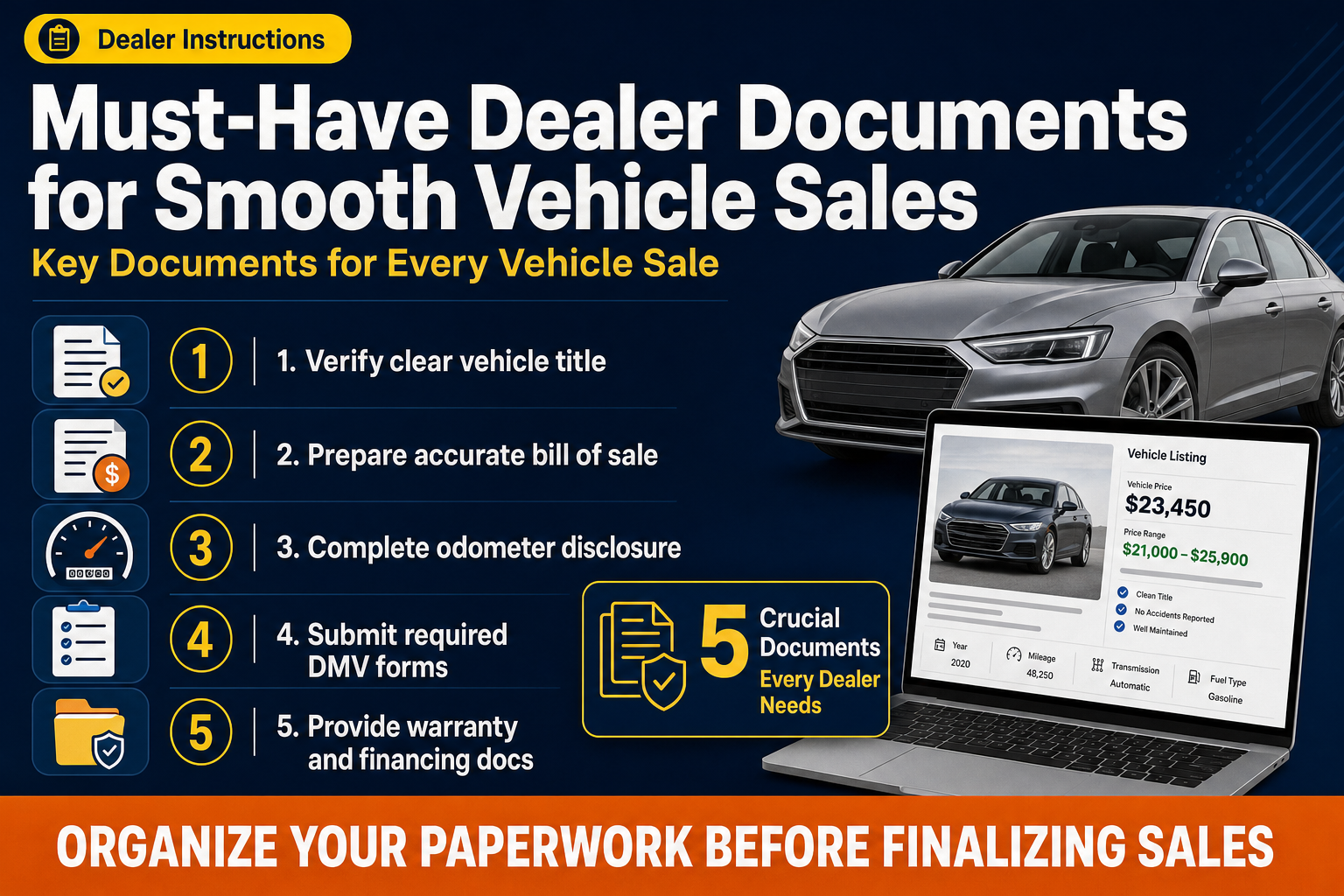
Mar 06 2026
Dealer Paperwork Essentials: What Documents You Must Prepare for Every Vehicle Sale
As a car dealer, handling paperwork accurately and efficiently is critical to closing sales and staying compliant with state regulations. Missing or incomplete documents can delay transactions or lead to legal issues. This article breaks down the essential documents dealers must prepare for every vehicle sale, including titles, bills of sale, disclosures, and DMV forms. We also cover best practices for organizing paperwork and avoiding common mistakes that slow down sales.
T. K.
Read Article →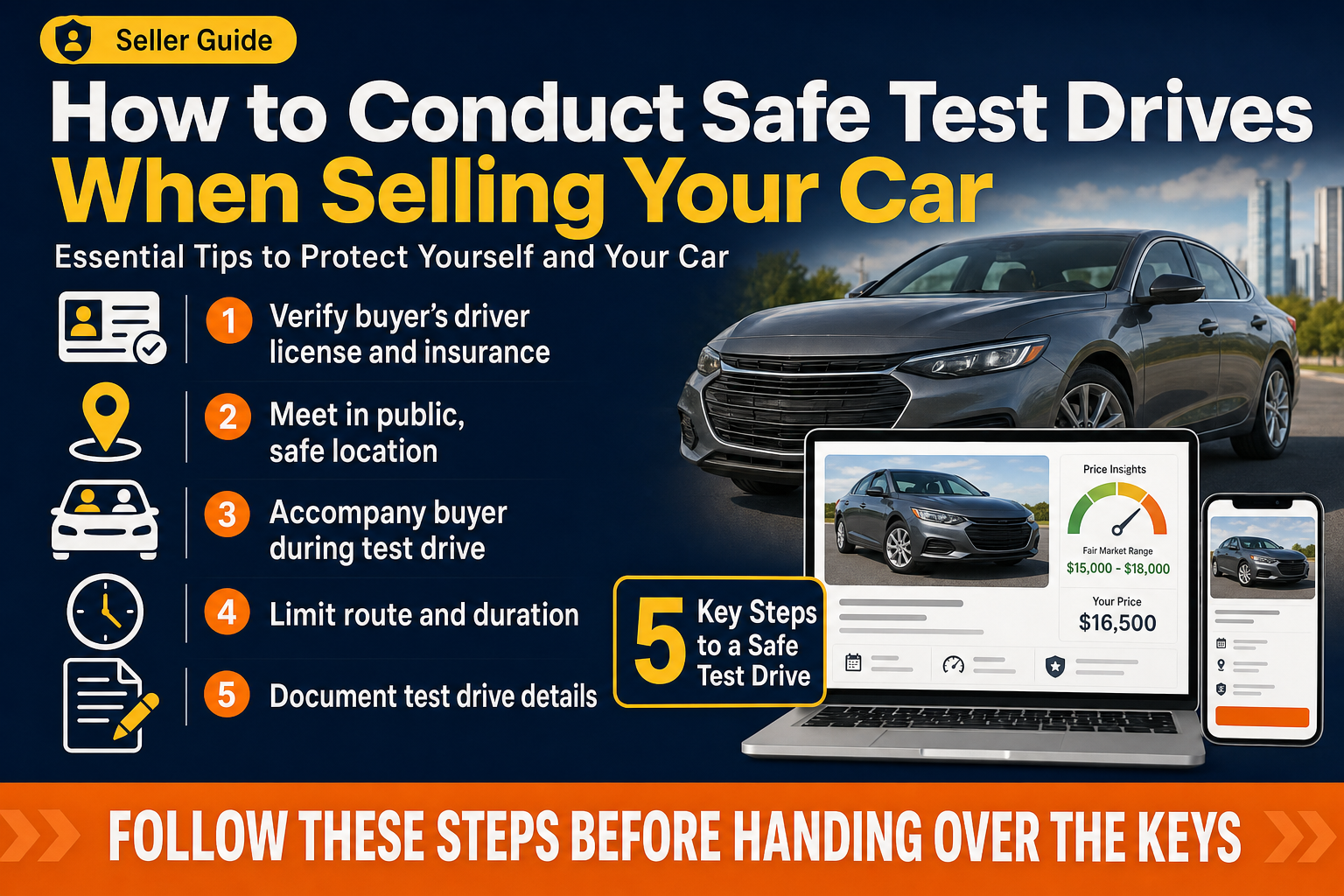
Mar 06 2026
How to Handle Test Drives Safely When Selling Your Car Privately
Allowing potential buyers to test drive your car is a crucial step in a private sale, but it comes with safety and liability risks. Knowing how to properly prepare and manage test drives can protect you and ensure a smooth transaction. This guide covers essential safety tips, verification steps, and best practices to follow before, during, and after the test drive. We’ll also highlight common pitfalls sellers encounter and how to avoid them.
T. K.
Read Article →