


Private-Party Seller Checklist: How to Check for Liens Before Selling Your Car
Before selling your car privately, it’s essential to verify whether there are any liens on your vehicle. A lien means a lender or creditor has a legal claim on your car until a debt is paid off, which can complicate or invalidate your sale if not addressed.
This checklist walks you through how to find out if your car has liens, what steps to take if liens exist, and how to clear them so you can sell your vehicle smoothly and legally.
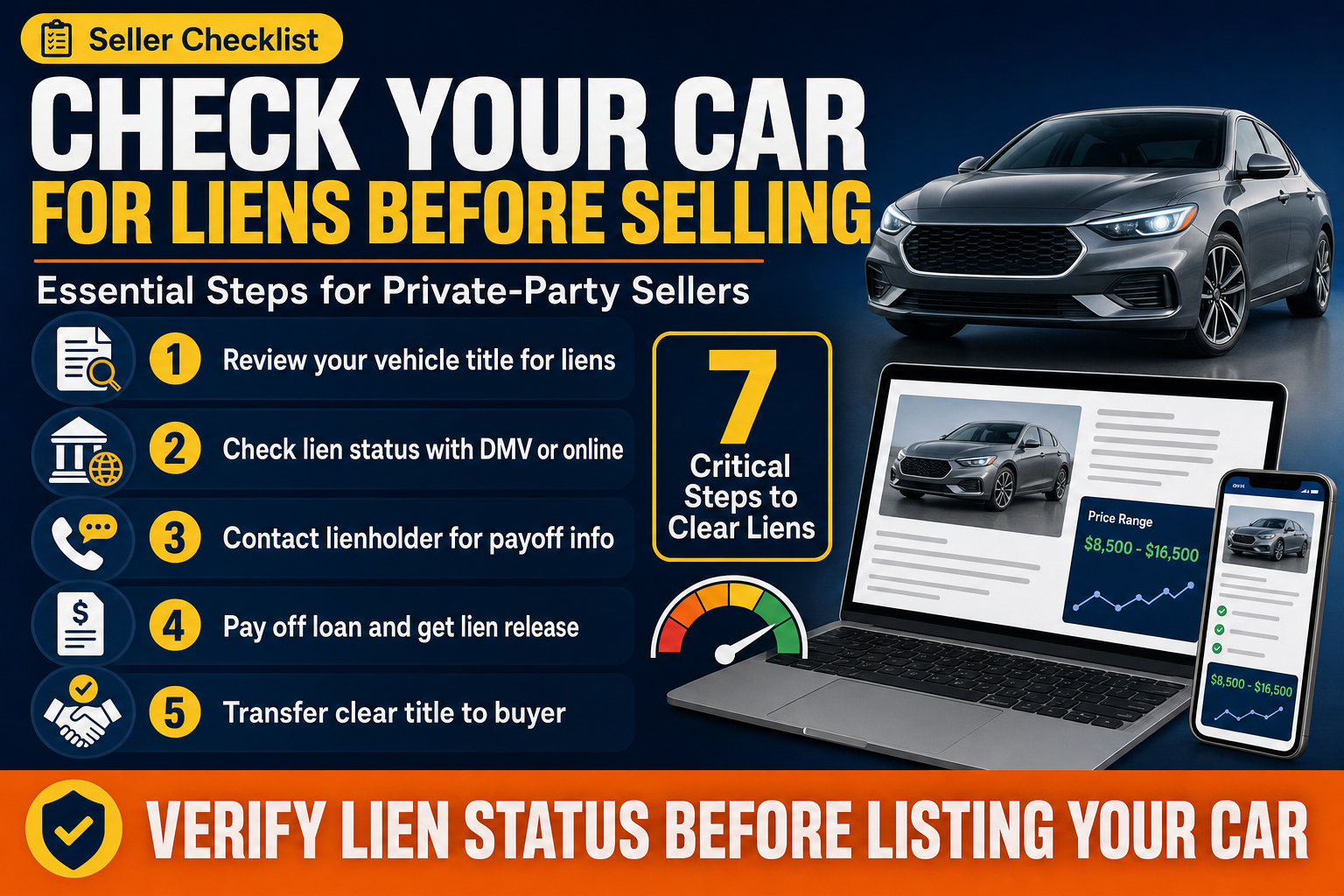
Steps to Identify and Clear Vehicle Liens Before Selling
When selling your car privately, one of the most important things to verify is whether the vehicle has any outstanding liens. A lienholder has a legal right to the vehicle as collateral for a loan or debt. Selling a car with an active lien can lead to serious legal and financial problems for both seller and buyer.
Step 1: Understand What a Lien Is
A lien is a legal claim placed on the car title by a lender, usually a bank or credit union, to secure a loan. Until the loan is paid off, the lienholder technically owns the vehicle. If you try to sell without clearing the lien, the buyer may not receive a clean title.
Step 2: Check Your Vehicle’s Title
Look at your physical title document or your state’s online vehicle records. If there is a lien, it will be noted on the title with the lienholder’s name and contact information.
Step 3: Use Your State DMV or Online Services
Many states offer online vehicle history or title status checks where you can see if liens exist. Some third-party services also provide lien checks for a fee. Make sure to use reputable sources.
Step 4: Contact Your Lienholder
If you find a lien, get in touch with the lender to confirm the payoff amount and the process for releasing the lien once the loan is paid. Ask about any fees or paperwork needed to obtain a lien release document.
Step 5: Pay Off the Loan
You must pay off any outstanding loan balance to clear the lien. This can be done before or during the sale transaction. If the buyer is financing or paying cash, coordinate with the lienholder to ensure the payoff is handled promptly.
Step 6: Obtain a Lien Release
After paying off the loan, the lienholder will provide a lien release document. You will need this to transfer a clear title to the buyer.
Step 7: Transfer a Clear Title to the Buyer
Once the lien is released, transfer the title to the buyer following your state’s DMV procedures. Provide all necessary documents, including the lien release, bill of sale, and odometer disclosure.
Common Mistakes to Avoid:
- Not verifying lien status before listing the vehicle.
- Trying to sell without paying off or disclosing the lien.
- Failing to obtain or provide a lien release document.
- Ignoring state-specific lien release and title transfer rules.
By carefully following these steps and confirming lien clearance, you protect yourself and the buyer and ensure a legal and hassle-free sale.
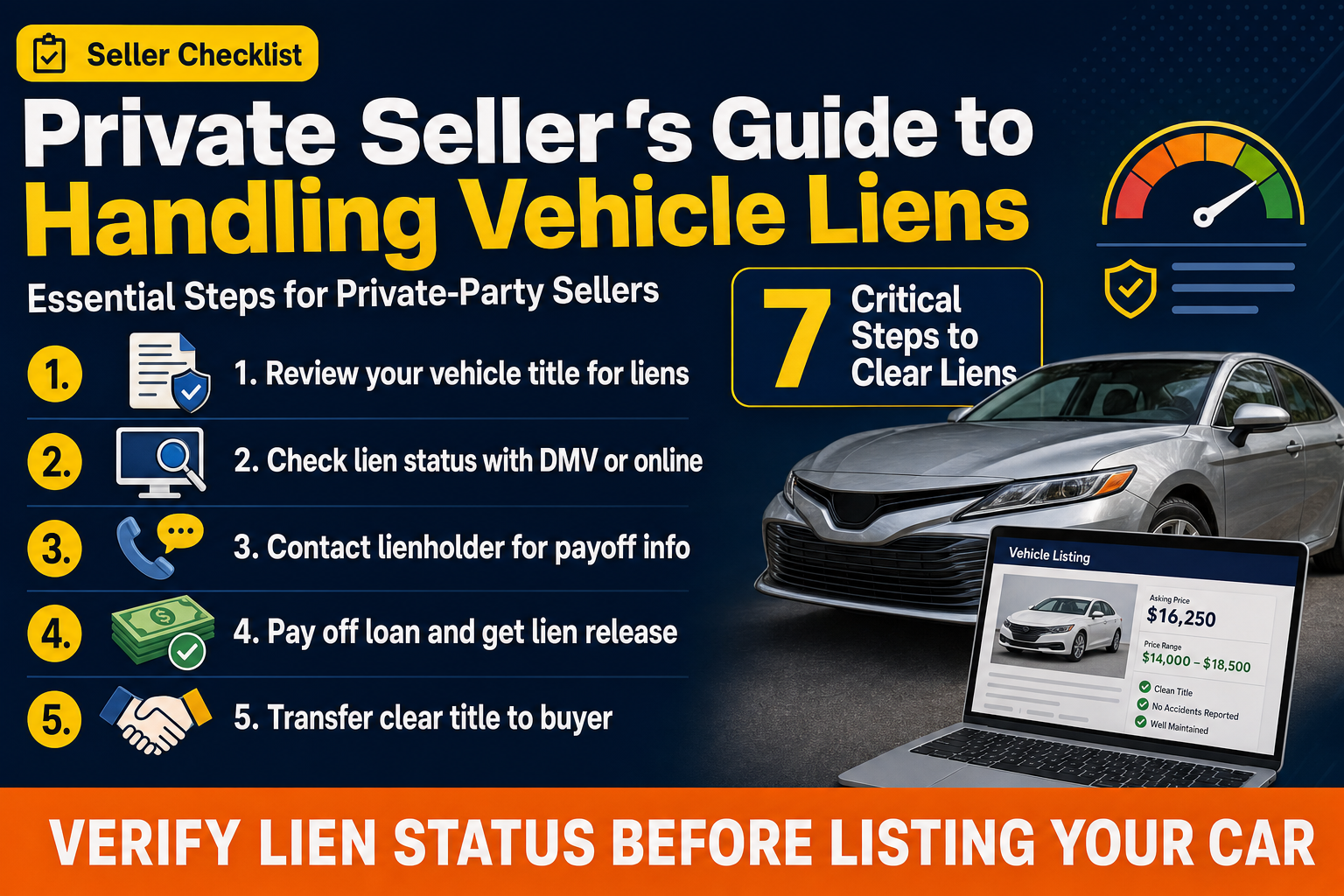
Additional Tips for Handling Liens and Complex Ownership Situations
Some sellers face unique lien scenarios such as multiple liens, inherited vehicles, or out-of-state titles. This section offers practical advice for dealing with these complexities before selling.
Pro tip: Always confirm lien status with your state DMV and lienholder before listing your car to avoid surprises that can derail your sale.
Here are more considerations when handling liens before selling your car:
- Multiple Liens: Some vehicles may have more than one lienholder. Ensure all liens are paid off and releases obtained before selling.
- Inherited Vehicles: If you inherited a car with a lien, consult with probate or estate professionals to clear liens and transfer ownership legally.
- Out-of-State Titles: Vehicles titled in another state may have different lien release and title transfer rules. Contact that state’s DMV for requirements.
- Using Escrow Services: For lien payoffs during sale, consider using an escrow service to safely handle funds between buyer, seller, and lienholder.
- Disclosing Liens to Buyers: Be transparent about any existing liens to build trust and avoid legal trouble. Buyers should never be surprised by undisclosed liens.
Rules and processes vary by state, so always verify details with your local DMV or legal advisors. Preparing ahead ensures your private sale goes smoothly without lien-related complications.
Read Latest Articles
Simple, transparent process that gets you the best price for your car
Mar 06 2026
Private-Party Seller Checklist: How to Check for Liens Before Selling Your Car
Before selling your car privately, it’s essential to verify whether there are any liens on your vehicle. A lien means a lender or creditor has a legal claim on your car until a debt is paid off, which can complicate or invalidate your sale if not addressed. This checklist walks you through how to find out if your car has liens, what steps to take if liens exist, and how to clear them so you can sell your vehicle smoothly and legally.
T. K.
Read Article →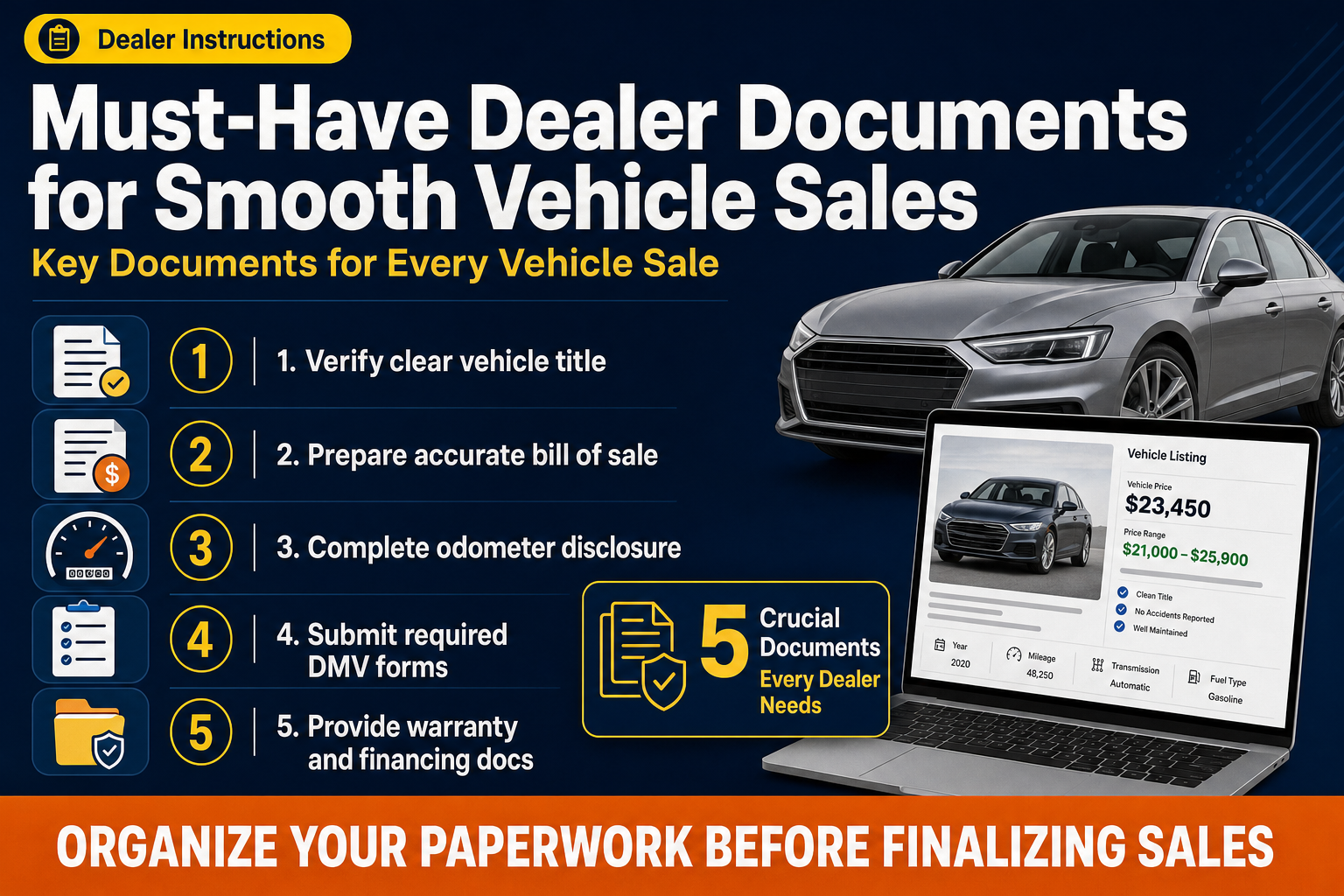
Mar 06 2026
Dealer Paperwork Essentials: What Documents You Must Prepare for Every Vehicle Sale
As a car dealer, handling paperwork accurately and efficiently is critical to closing sales and staying compliant with state regulations. Missing or incomplete documents can delay transactions or lead to legal issues. This article breaks down the essential documents dealers must prepare for every vehicle sale, including titles, bills of sale, disclosures, and DMV forms. We also cover best practices for organizing paperwork and avoiding common mistakes that slow down sales.
T. K.
Read Article →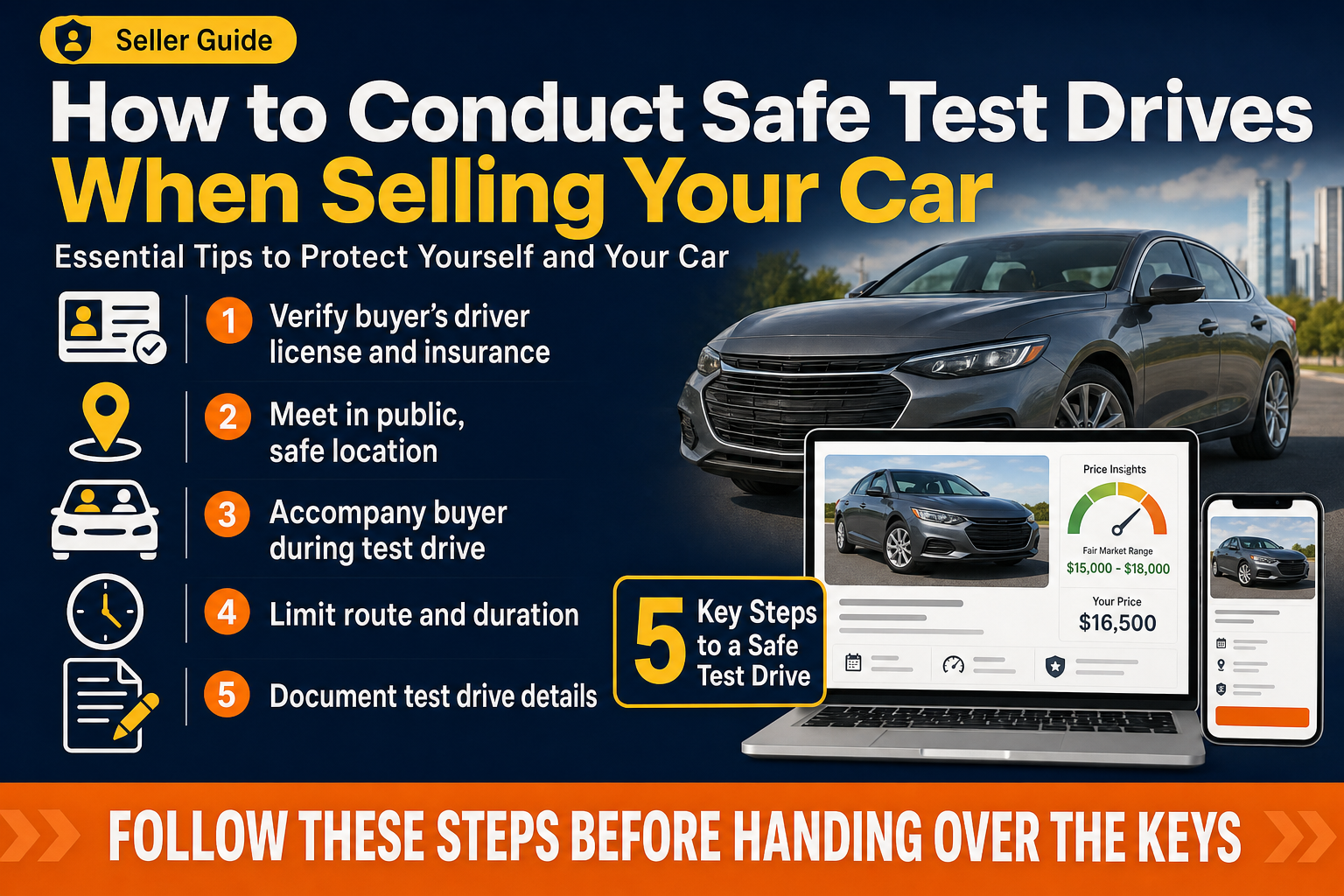
Mar 06 2026
How to Handle Test Drives Safely When Selling Your Car Privately
Allowing potential buyers to test drive your car is a crucial step in a private sale, but it comes with safety and liability risks. Knowing how to properly prepare and manage test drives can protect you and ensure a smooth transaction. This guide covers essential safety tips, verification steps, and best practices to follow before, during, and after the test drive. We’ll also highlight common pitfalls sellers encounter and how to avoid them.
T. K.
Read Article →