


How to Write a Car Listing That Actually Gets Bids
Your car listing is your first impression. A weak description and bad photos send buyers scrolling. Here's what top-performing listings have in common — and how to write one.

Your Listing Is a Sales Pitch — Write It Like One
Your listing needs facts that answer buyer questions fast. Lead with year, make, model, mileage, title status, condition, and recent service. Add clear photos and a direct price. Skip filler. Strong copy helps serious buyers decide early, cuts weak leads, and gives your car a better shot in a crowded market from day one.

The Anatomy of a High-Converting Car Listing
Great listings answer the buyer's questions before they have to ask. They include specific details, honest condition notes, and quality photos that make the vehicle look its best — truthfully.
A strong car listing on any platform — including LazyChimp — leads with the most important specs, explains the vehicle's history and condition clearly, and uses photos that show every angle including honest wear. Vague listings are ignored; detailed listings get competitive bids.
Start with the year, make, model, trim, mileage, and transmission type in the first two lines. Then describe the condition honestly: mention recent maintenance, new tires or brakes, and any known issues. Use real photos taken in daylight — minimum 10 photos covering exterior, interior, engine bay, odometer, and any damage. Avoid using stock photos or heavy editing. When listing on LazyChimp, dealers review your listing before bidding, so specificity directly influences how many bids you receive and how high they go. Listings with complete descriptions and 15+ quality photos consistently outperform sparse ones by a significant margin.
Read Latest Articles
Simple, transparent process that gets you the best price for your car
Mar 06 2026
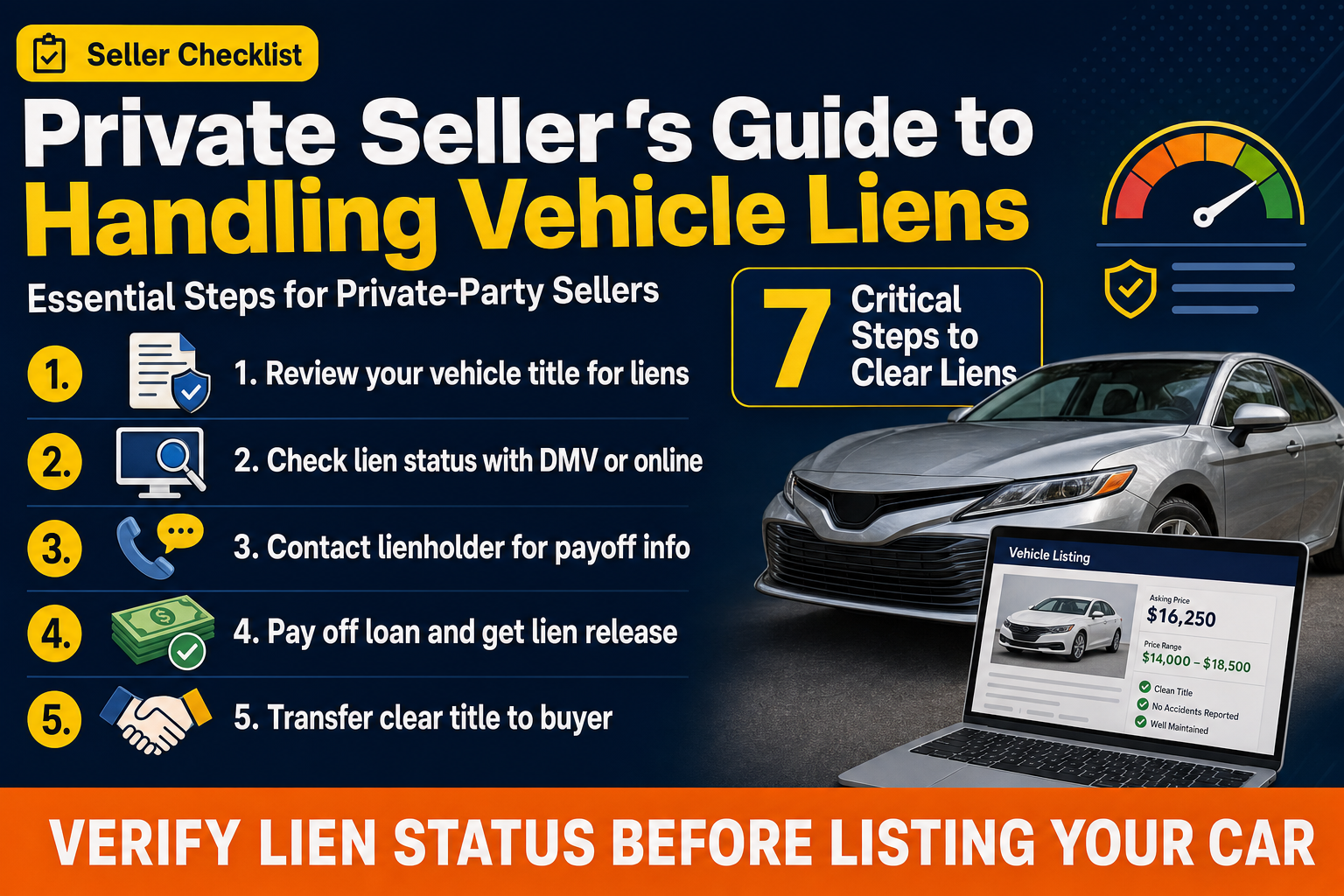
Private-Party Seller Checklist: How to Check for Liens Before Selling Your Car
Before selling your car privately, it’s essential to verify whether there are any liens on your vehicle. A lien means a lender or creditor has a legal claim on your car until a debt is paid off, which can complicate or invalidate your sale if not addressed. This checklist walks you through how to find out if your car has liens, what steps to take if liens exist, and how to clear them so you can sell your vehicle smoothly and legally.
T. K.
Read Article →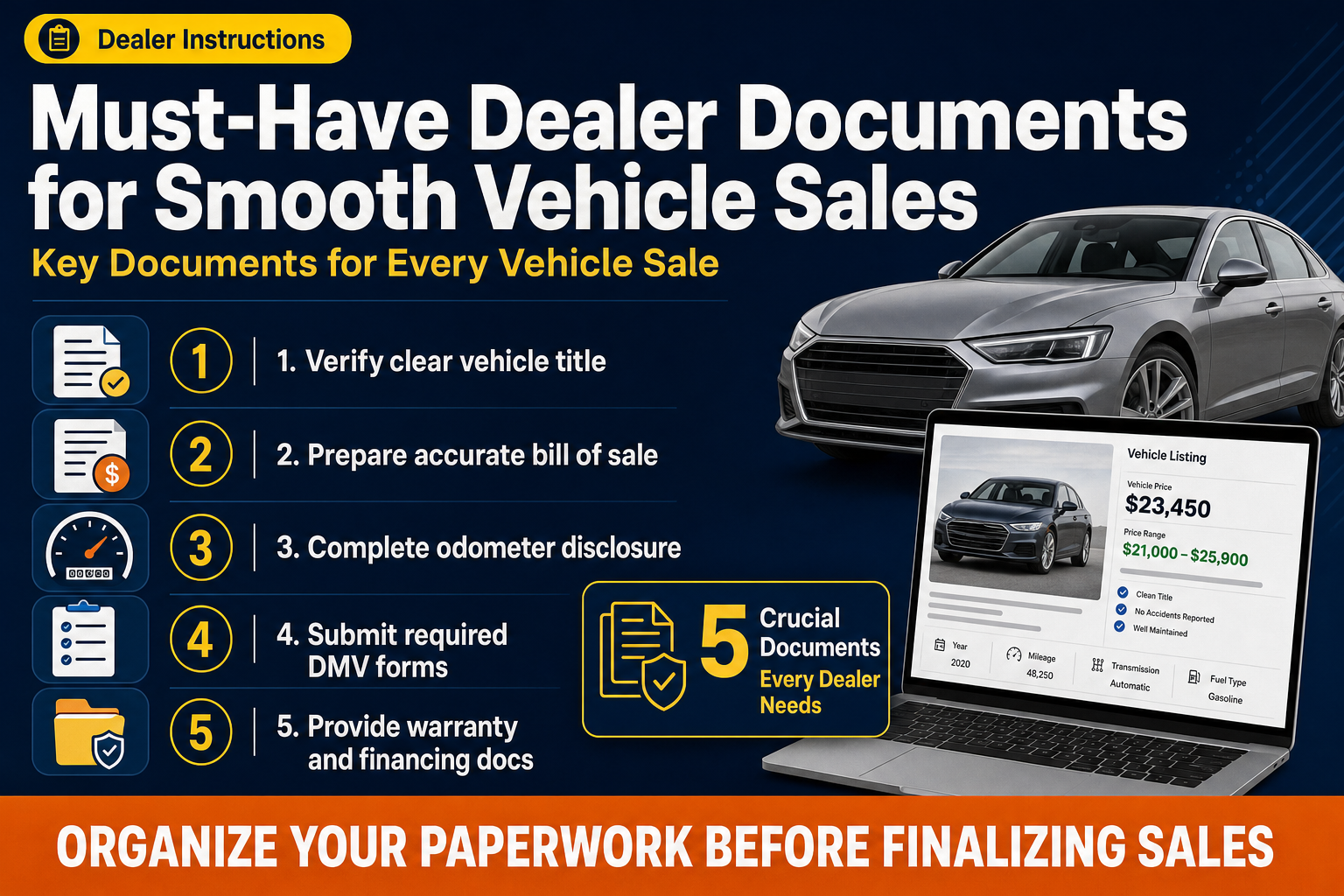
Mar 06 2026
Dealer Paperwork Essentials: What Documents You Must Prepare for Every Vehicle Sale
As a car dealer, handling paperwork accurately and efficiently is critical to closing sales and staying compliant with state regulations. Missing or incomplete documents can delay transactions or lead to legal issues. This article breaks down the essential documents dealers must prepare for every vehicle sale, including titles, bills of sale, disclosures, and DMV forms. We also cover best practices for organizing paperwork and avoiding common mistakes that slow down sales.
T. K.
Read Article →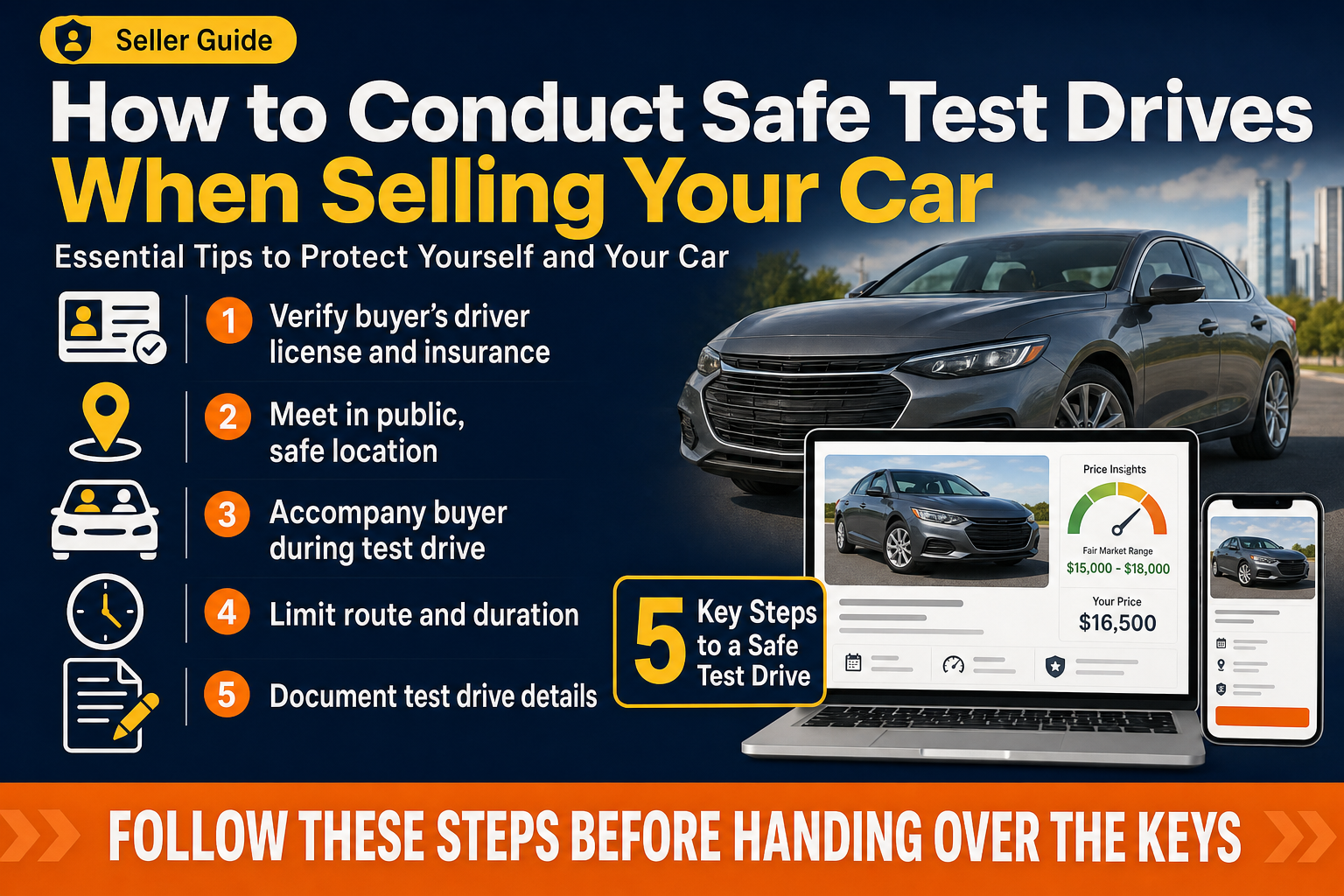
Mar 06 2026
How to Handle Test Drives Safely When Selling Your Car Privately
Allowing potential buyers to test drive your car is a crucial step in a private sale, but it comes with safety and liability risks. Knowing how to properly prepare and manage test drives can protect you and ensure a smooth transaction. This guide covers essential safety tips, verification steps, and best practices to follow before, during, and after the test drive. We’ll also highlight common pitfalls sellers encounter and how to avoid them.
T. K.
Read Article →