


Fleet and Business Vehicle Sellers: Why LazyChimp Was Built for You
Managing the disposition of a company vehicle fleet is a different challenge from selling one car privately. LazyChimp's platform was engineered from the ground up for exactly this kind of volume and complexity.

One Car Is a Transaction. A Fleet Is a Program.
Selling one vehicle needs a buyer and a price. Selling a fleet needs a repeatable process. Track titles, mileage, condition reports, unit photos, pickup timing, and payment status across every vehicle. A clear fleet plan cuts downtime, keeps records clean, supports bulk sales, and helps you move more units with less confusion.

The Real Cost of Traditional Fleet Remarketing
Physical auctions charge fees per vehicle, require transport, inspection, and reconditioning, and still expose sellers to uncertain floor prices. At scale, these costs compound dramatically.
Fleet operators — whether managing company cars, rental vehicles, repo inventory, or lease returns — need a remarketing solution that is fast, transparent, and cost-efficient. LazyChimp eliminates the most expensive steps in the traditional wholesale process.
Traditional fleet remarketing sends vehicles through a pipeline that includes third-party inspections, transport to an auction location, auction fees, and often reconditioning — before a single bid is placed. For a fleet of 50 vehicles, these pre-sale costs alone can represent tens of thousands of dollars. LazyChimp removes all of it. Fleet sellers list their vehicles directly on the platform, dealers from across the network review and bid, and units are picked up directly — no transport, no auction floor, no middleman fees. Larger fleet operators gain access to dedicated account support and can integrate LazyChimp into their existing remarketing workflow with minimal disruption. For businesses that need to move inventory efficiently and consistently, LazyChimp isn't just an alternative to auctions — it's a better system entirely.
Read Latest Articles
Simple, transparent process that gets you the best price for your car
Mar 06 2026
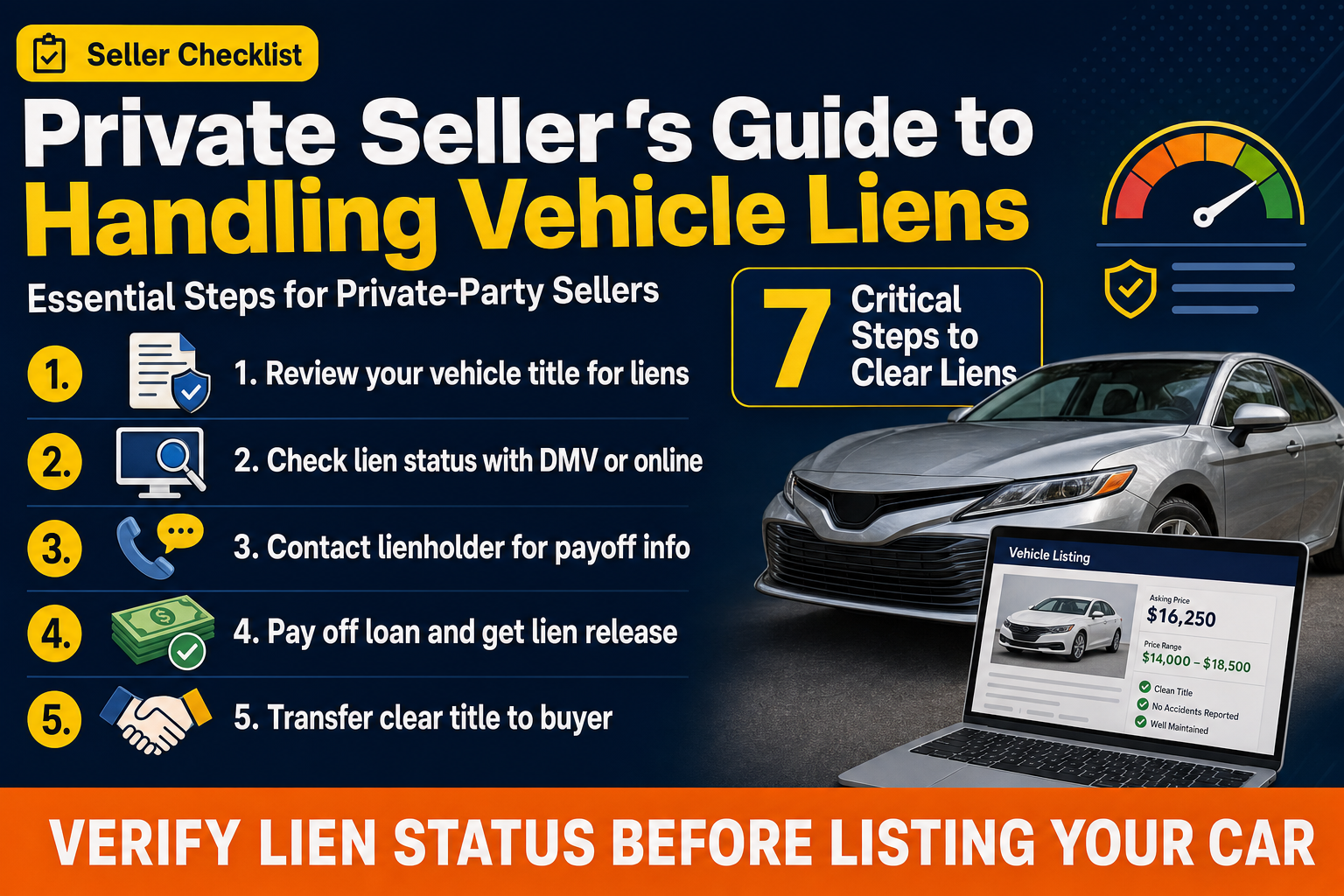
Private-Party Seller Checklist: How to Check for Liens Before Selling Your Car
Before selling your car privately, it’s essential to verify whether there are any liens on your vehicle. A lien means a lender or creditor has a legal claim on your car until a debt is paid off, which can complicate or invalidate your sale if not addressed. This checklist walks you through how to find out if your car has liens, what steps to take if liens exist, and how to clear them so you can sell your vehicle smoothly and legally.
T. K.
Read Article →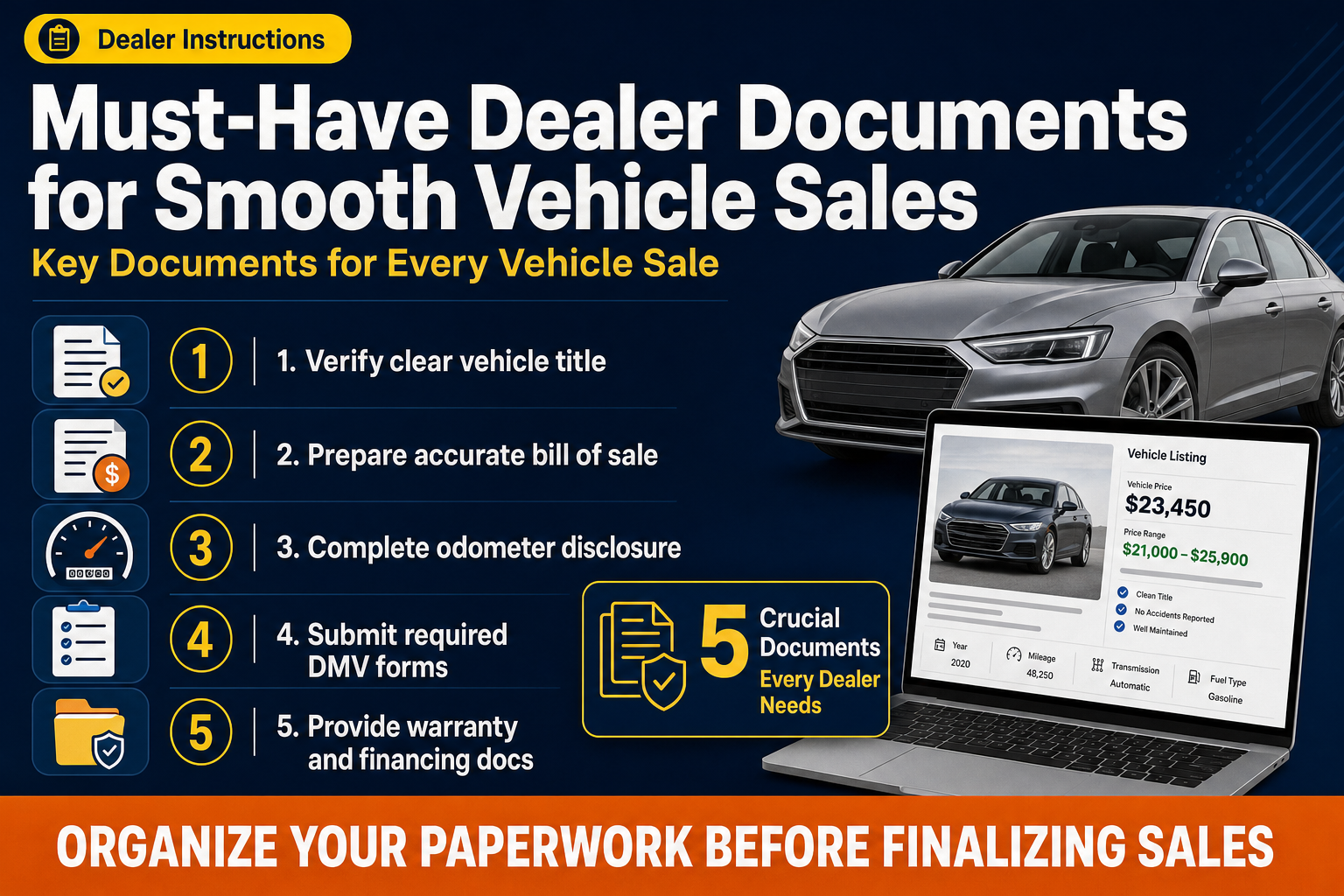
Mar 06 2026
Dealer Paperwork Essentials: What Documents You Must Prepare for Every Vehicle Sale
As a car dealer, handling paperwork accurately and efficiently is critical to closing sales and staying compliant with state regulations. Missing or incomplete documents can delay transactions or lead to legal issues. This article breaks down the essential documents dealers must prepare for every vehicle sale, including titles, bills of sale, disclosures, and DMV forms. We also cover best practices for organizing paperwork and avoiding common mistakes that slow down sales.
T. K.
Read Article →
Mar 06 2026
How to Handle Test Drives Safely When Selling Your Car Privately
Allowing potential buyers to test drive your car is a crucial step in a private sale, but it comes with safety and liability risks. Knowing how to properly prepare and manage test drives can protect you and ensure a smooth transaction. This guide covers essential safety tips, verification steps, and best practices to follow before, during, and after the test drive. We’ll also highlight common pitfalls sellers encounter and how to avoid them.
T. K.
Read Article →