


Selling Your Car As-Is: What Sellers Need to Know
Not every car going up for sale is in showroom condition — and that's okay. Selling as-is is perfectly legal and often makes financial sense. Here's how to do it the right way.

As-Is Doesn't Mean Hiding Problems
Selling a car as-is still calls for clear facts. Share known issues, warning lights, accident history, leaks, and repair needs up front. Buyers respect honest listings and waste less time on cars that do not fit their budget. Clear disclosure lowers disputes, supports smoother deals, and helps both sides agree on a fair price faster.

Disclosure Protects You — Silence Doesn't
Selling as-is means you're making no guarantees about the vehicle's condition post-sale. But that does not mean you can withhold known material defects. Transparency is both ethical and legal protection for sellers.
An as-is sale transfers the vehicle in its current state with no warranty implied. Most private sales in the US default to as-is. The key is disclosing known issues upfront so buyers and dealers can price accordingly — and so you're protected from future claims.
If you know the AC compressor is failing or the transmission shifts rough, say so in your listing. Hiding known defects can expose you to fraud claims in some states even in an as-is transaction. The good news: honest disclosure actually speeds up the sale. Dealers who use LazyChimp appreciate transparent listings because they can budget for repairs before they bid. Sellers who describe their vehicle honestly — including real photos of wear points — tend to get more competitive offers than those with vague, overly polished descriptions. Buyers build trust quickly when they feel informed, not sold to.
Read Latest Articles
Simple, transparent process that gets you the best price for your car
Mar 06 2026
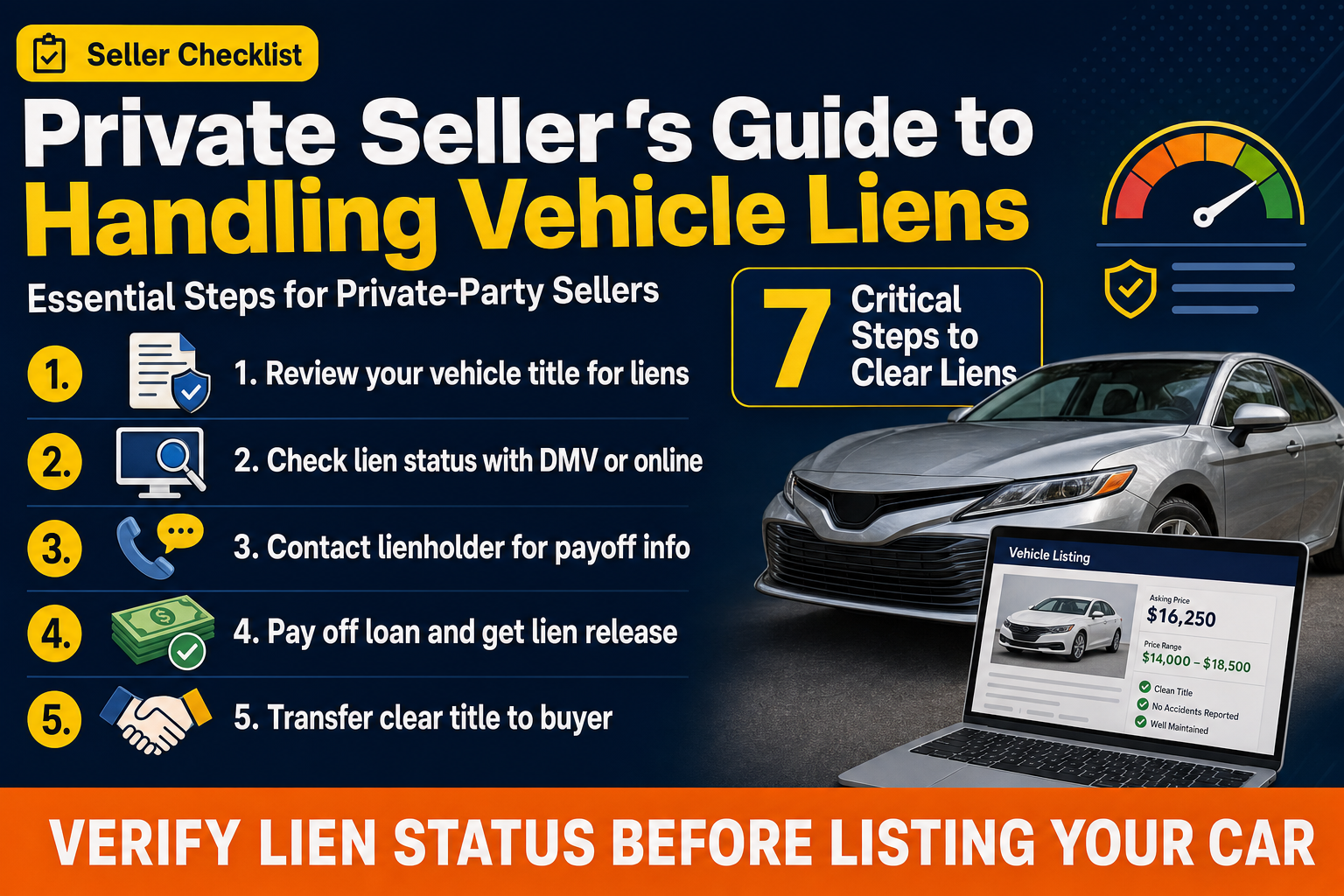
Private-Party Seller Checklist: How to Check for Liens Before Selling Your Car
Before selling your car privately, it’s essential to verify whether there are any liens on your vehicle. A lien means a lender or creditor has a legal claim on your car until a debt is paid off, which can complicate or invalidate your sale if not addressed. This checklist walks you through how to find out if your car has liens, what steps to take if liens exist, and how to clear them so you can sell your vehicle smoothly and legally.
T. K.
Read Article →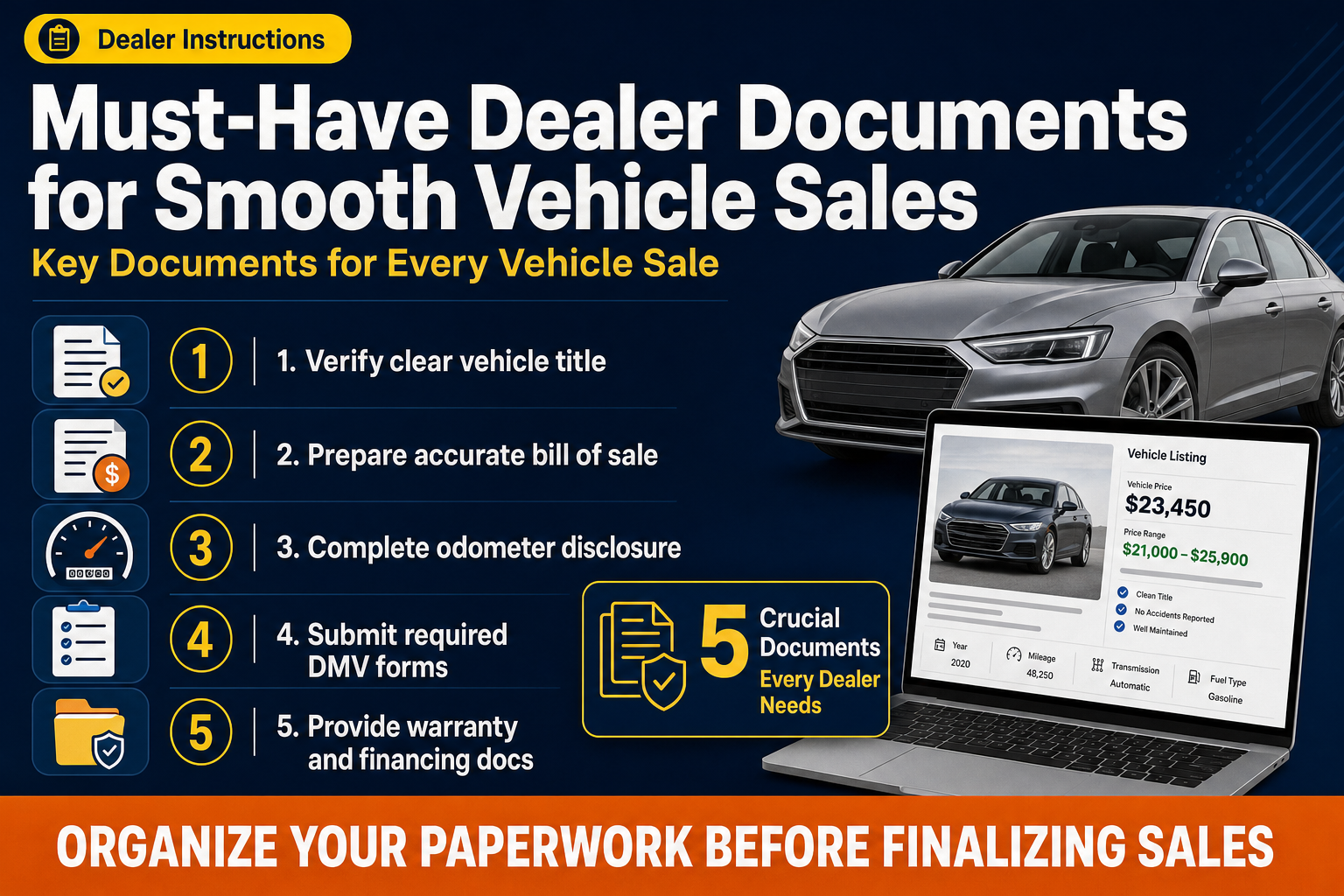
Mar 06 2026
Dealer Paperwork Essentials: What Documents You Must Prepare for Every Vehicle Sale
As a car dealer, handling paperwork accurately and efficiently is critical to closing sales and staying compliant with state regulations. Missing or incomplete documents can delay transactions or lead to legal issues. This article breaks down the essential documents dealers must prepare for every vehicle sale, including titles, bills of sale, disclosures, and DMV forms. We also cover best practices for organizing paperwork and avoiding common mistakes that slow down sales.
T. K.
Read Article →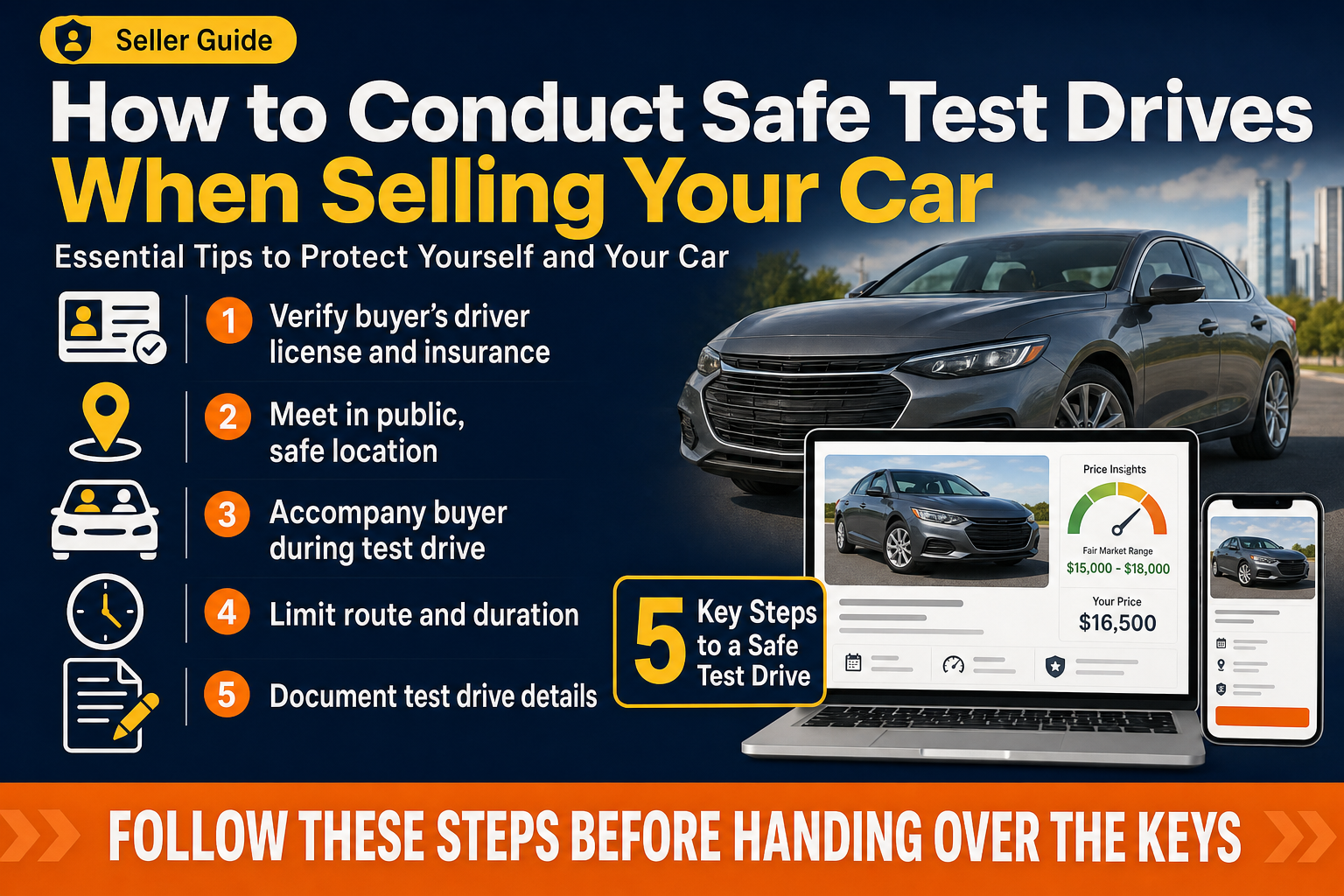
Mar 06 2026
How to Handle Test Drives Safely When Selling Your Car Privately
Allowing potential buyers to test drive your car is a crucial step in a private sale, but it comes with safety and liability risks. Knowing how to properly prepare and manage test drives can protect you and ensure a smooth transaction. This guide covers essential safety tips, verification steps, and best practices to follow before, during, and after the test drive. We’ll also highlight common pitfalls sellers encounter and how to avoid them.
T. K.
Read Article →